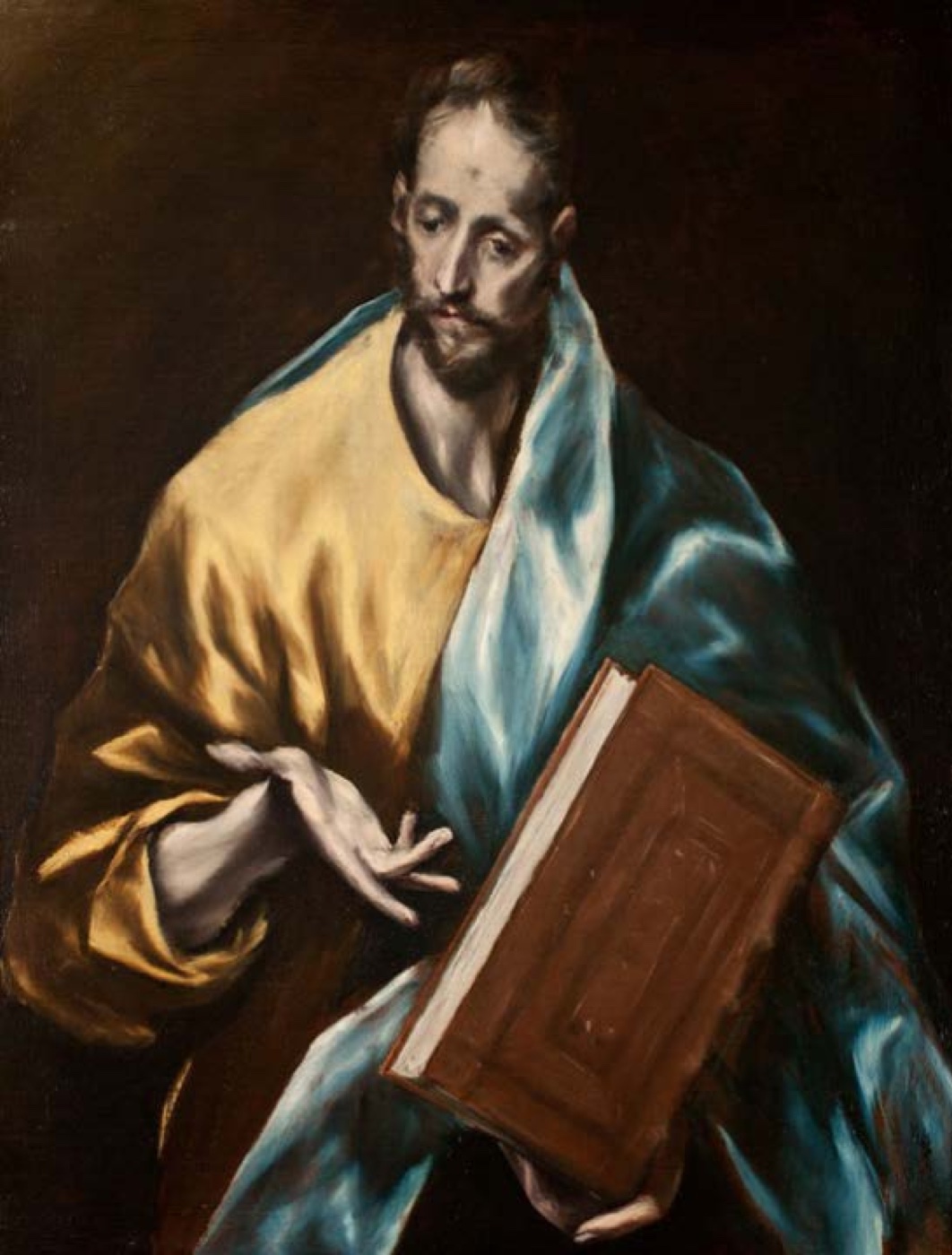
In the beginning there was no Church, only Jews in Jerusalem trying to understand what it meant to believe that God had raised Jesus from the dead.
Season 1 · Episode 3
This episode reconstructs the earliest Jesus movement in Jerusalem before Christianity became a separate religion. It shows a community still inside Jewish law, Temple worship, and apocalyptic expectation; then follows the shock of the Temple’s destruction, the dispersal of the movement, the rise of written gospels, and the first major struggles over leadership and belonging among James, Peter, and Paul.
The episode begins by stripping away later assumptions. The first followers of Jesus were not Christians in the later sense. They were Jews in Jerusalem who believed that God had begun His final work in the resurrection of Jesus. They prayed in the Temple, kept Jewish law, read the prophets, and waited for the kingdom. Their conviction did not create a new religion. It intensified an old Jewish hope.
Then history intervened. Jesus had been executed under Roman authority. James was killed. Peter and Paul died under Nero. In 70 CE the Romans destroyed the Temple, the legal and spiritual center of the covenantal world in which the Jerusalem movement had lived. The loss was not symbolic only. It shattered the sacrificial core of Jewish life and forced both Judaism and the Jesus movement to adapt in different directions. Rabbinic Judaism reorganized around text, interpretation, and synagogue life. Jesus communities increasingly turned toward memory, mission, interpretation, and, eventually, doctrine.
As Jerusalem lost its central place, the movement dispersed. Communities spread into places like Antioch and other urban centers shaped by trade, language, and mixed populations. Oral memory was no longer enough. Witnesses were dying, communities were scattered, and interpretations multiplied. The written gospels emerged in that setting, not as neutral biographies, but as theological portraits that chose which Jesus would endure. Different communities emphasized different things: Law, prophecy, wisdom, divine Word, secrecy, public revelation. Memory was already fragmenting into multiple paths.
The central leadership struggle ran through James, Peter, and Paul. James represented continuity with Jewish law and Temple-rooted piety. Peter stood between worlds, at once tied to Jerusalem and active in wider mission. Paul, who had not known Jesus during His lifetime, argued that Gentiles could belong without circumcision or full Torah observance. That was not a minor dispute. It was a fight over identity itself. Paul’s own letters preserve the tension clearly, especially in the clash at Antioch, where Peter withdrew from table fellowship with Gentiles after pressure from men associated with James. Acts later rewrote that world as harmony. Paul preserves it as conflict, negotiation, and unresolved strain.
Early Christianity was not one thing. It was a forest of communities, texts, and leaders. Jewish Christian groups remained active for centuries, especially in the East, maintaining Torah observance and a view of Jesus more human, messianic, and Israel-centered than later orthodoxy allowed. Their decline was not the result of theological defeat. It followed displacement, Roman suspicion toward Jewish identity, the spread of Greek and Latin over Hebrew and Aramaic, the adoption of the codex by proto-orthodox communities, and the growing alignment between certain Christian forms and imperial structures. Jewish Christianity faded not because it was refuted, but because it was outscaled and outpositioned.
Key themesJerusalem as the Jewish starting point of the movement; the Temple as the center of covenantal life; the destruction of 70 CE as theological and social rupture; the dispersal of authority after catastrophe; the rise of the written gospels as memory under pressure; James, Peter, and Paul as competing models of leadership; Acts as retrospective smoothing; Jewish Christianity as a long-lived current that declined through pressure, not refutation.